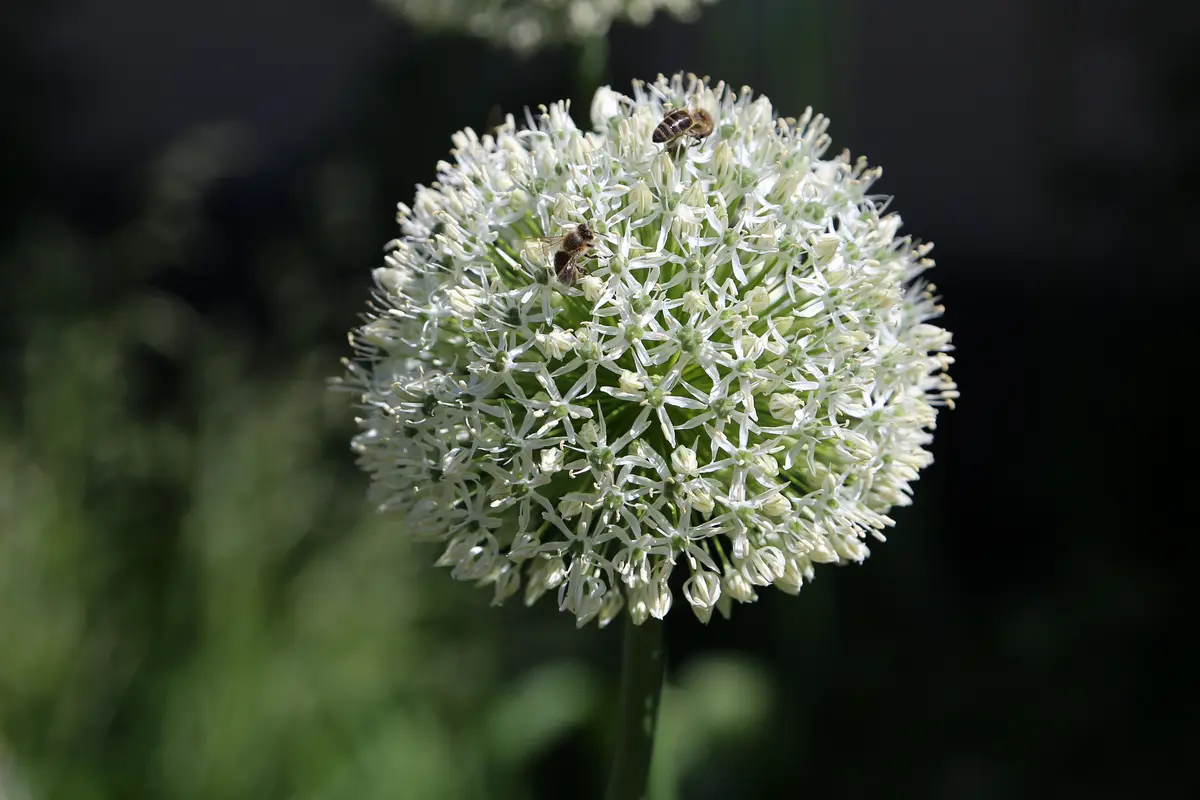
Allium 'Big Beauty'
Allium 'Big Beauty'
A tall ornamental onion topped with an oversized, long-lasting globe of soft pink-purple flowers, prized by pollinators and left alone by deer and rabbits.
Keep reading Show less
Allium ‘Big Beauty’ is an ornamental onion grown purely for its flowers — tall, leafless stems topped with an oversized globe of small, star-shaped pink-purple blossoms that hold their shape for weeks.
Big blooms on sturdy stems
Bred from the giant Central Asian onion species that give garden alliums their towering flower heads, ‘Big Beauty’ was selected for flower globes up to 6 inches across on stems sturdy enough not to flop under their own weight — a common complaint with older giant allium varieties.
Care tips
Plant in full sun in well-drained soil; alliums are unfussy about soil type as long as it doesn’t stay waterlogged. Water regularly while establishing, then let it dry between waterings — like most alliums, it’s quite drought-tolerant once settled in. The strappy foliage often yellows and fades before or during bloom, so plant companions nearby to hide it. Cut back the flower stalks once the blooms fade, or leave the dried seed heads for winter texture.
Fun Fact
'Big Beauty' produces some of the largest flower globes of any garden allium — up to 6 inches across — on sturdy stems bred to resist the flopping that affects many giant ornamental onions.
Habitat & form
Where it's from and what to expect.
- Native range
- Garden hybrid of species native to Central Asia
- Plant type
- Perennial
- Mature size
- Grows 18–24 in. tall and 18–24 in. wide, with flower globes up to 6 in. across.
- Bloom
- Large, soft pink-purple globe flower clusters from late spring into summer.
- Hardiness
- USDA zones 4–8.
Care
How to keep it happy.
- Sunlight
- Full sun; tolerates part shade.
- Water
- Average water needs; drought-tolerant once established. Avoid overly wet spots.
- Soil
- Well-drained soil is essential; adaptable to a variety of soil types.
- Planting distance
- 12–18 in apart, based on mature spread.
- Propagation
- Divide bulb offsets in fall
- Pruning
- Cut back flower stalks once blooms fade; foliage yellows after flowering and can be tucked behind later-emerging companions.
- Pet safety
- Highly toxic
All parts toxic in all forms (bulbs, leaves, raw, cooked, dried)