Dill
Anethum graveolens
Aromatic annual herb with feathery blue-green foliage and flat-topped golden-yellow umbels, essential in the kitchen and beloved by pollinators and black swallowtail butterflies.
Keep reading Show less
Aromatic and versatile, dill is a true workhorse in the garden and kitchen. Its feathery, thread-like leaves — known as dill weed — carry a sweet, slightly tangy flavor reminiscent of anise, while the seeds offer a more pungent, slightly bitter punch beloved in pickling brines, breads, and spice blends. Plants grow quickly from seed directly sown in well-drained soil, but resist transplanting due to their deep taproot. Successive sowings every 2–4 weeks ensure a continuous harvest from late spring through summer.
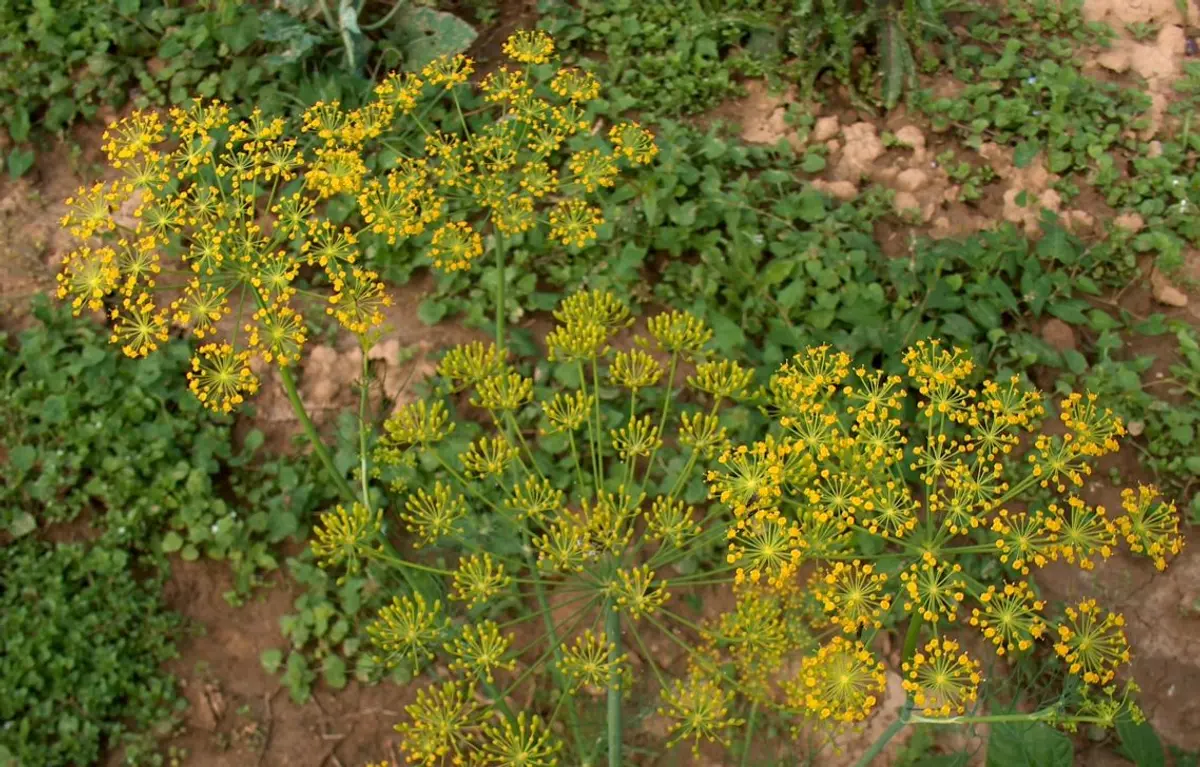
As plants mature they send up tall, hollow stems topped with broad golden umbels that attract an impressive array of beneficial insects — including bees, hoverflies, parasitic wasps, and, most notably, black swallowtail butterfly caterpillars, which feed exclusively on members of the carrot family (Apiaceae). Dill also acts as a natural pest repellent near brassicas, making it an excellent companion for broccoli, cabbage, and cucumbers. To maximize the leaf harvest, pinch off flower buds before they open. If you do let some flower and set seed, dill readily self-sows, often returning the following season without replanting.
Fun Fact
The genus name Anethum is derived from the Greek meaning 'to calm or soothe,' reflecting its ancient use as a digestive remedy. Dill seeds have been found in the tomb of Amenhotep II (circa 1400 BCE), and it was listed in the Ebers Papyrus as a medicinal herb — making it one of humanity's oldest recorded cultivated plants. In medieval Europe it was believed to ward off witches and was used in love potions.
Habitat & form
Where it's from and what to expect.
- Native range
- Mediterranean, southwest Asia, and northern Africa
- Plant type
- Annual
- Mature size
- 2–5 ft tall, 2–3 ft wide
- Bloom
- Fragrant golden-yellow umbels up to 10 in across appear in midsummer. Flowers attract bees, hoverflies, butterflies, and parasitic wasps.
- Hardiness
- Zones 2–11
Care
How to keep it happy.
- Sunlight
- Full sun (6 or more hours of direct sunlight per day). Protect from strong winds, which can knock over tall, hollow stems.
- Water
- Average; keep soil consistently moist, especially early in the season — consistent moisture prevents premature bolting. Tolerates short periods of drought once established.
- Soil
- Well-drained, fertile; prefers slightly acidic to neutral pH (6.0–8.0). Sandy loam or loamy soils work best. Direct-sow seeds ¼ inch deep — dill's long taproot makes transplanting very difficult.
- Planting distance
- 9–12 in apart.
- Propagation
- Readily grown from seed
- Pruning
- Pinch off flower buds as they appear to extend leaf harvest and delay bolting. Snip the top 2–3 in of the main stem to encourage side branching. Never remove more than one-third of the plant at once.
- Pet safety
- Non-toxic