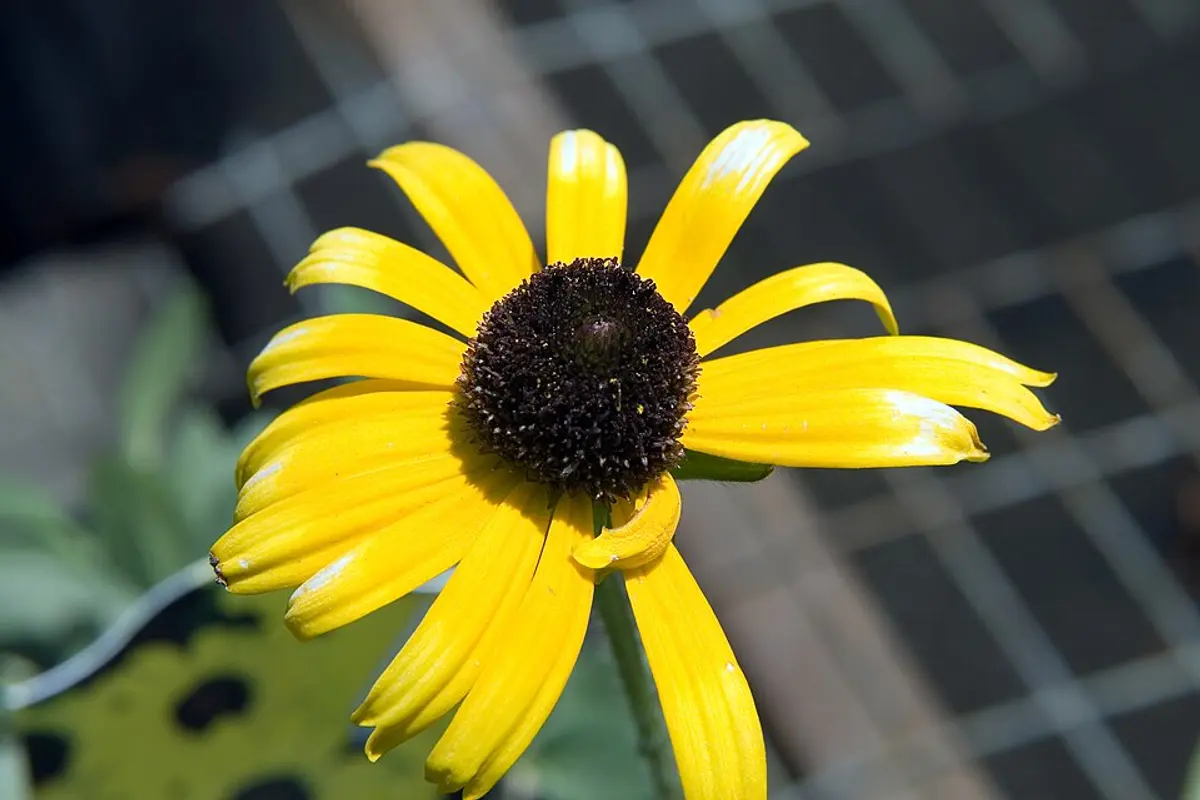
Black-eyed Susan 'Viette's Little Suzy'
Rudbeckia fulgida 'Viette's Little Suzy'
A dwarf black-eyed Susan bred for the front of the border, with the classic golden daisies and dark centers on a neat, compact plant barely a foot tall.
Keep reading Show less
Rudbeckia fulgida ‘Viette’s Little Suzy’ packs all the charm of a classic black-eyed Susan into a tidy, compact plant — golden-yellow daisies with dark brown centers on stems that rarely top 15 inches. It’s an ideal choice for edging a border or filling a small sunny bed without the sprawl of larger Rudbeckia cultivars.
Big color, small footprint
Despite its diminutive size, ‘Little Suzy’ blooms just as generously as its taller relatives, carrying golden flowers from midsummer well into fall. Its compact habit makes it useful in spots where full-size black-eyed Susans would overwhelm the space.
Care tips
Grow in full sun to light shade in average, well-drained soil. It handles short dry spells once established, though regular water keeps the display going strongest. Deadhead through the season to prolong flowering, cut back after frost, and divide clumps every few years as they thicken.
Fun Fact
Bred by the Viette family of nurserymen in Virginia, 'Little Suzy' was selected as a naturally dwarf sport of the classic 'Goldsturm' — giving gardeners the same reliable black-eyed Susan look in a fraction of the space.
Habitat & form
Where it's from and what to expect.
- Native range
- Garden cultivar of the species native to eastern and central North America
- Plant type
- Perennial
- Mature size
- Compact, only about 10–15 in. tall and wide — one of the smallest black-eyed Susans.
- Bloom
- Golden-yellow daisies with dark brown centers from midsummer into fall.
- Hardiness
- USDA zones 4–8.
Care
How to keep it happy.
- Sunlight
- Full sun to light shade.
- Water
- Average water needs; established plants tolerate short dry spells.
- Soil
- Average, well-drained soil.
- Planting distance
- 10–15 in apart, based on this compact selection's mature spread.
- Propagation
- Divide in spring or fall
- Pruning
- Deadhead to prolong bloom; cut back after frost or in early spring and divide every few years.
- Pet safety
- Non-toxic